
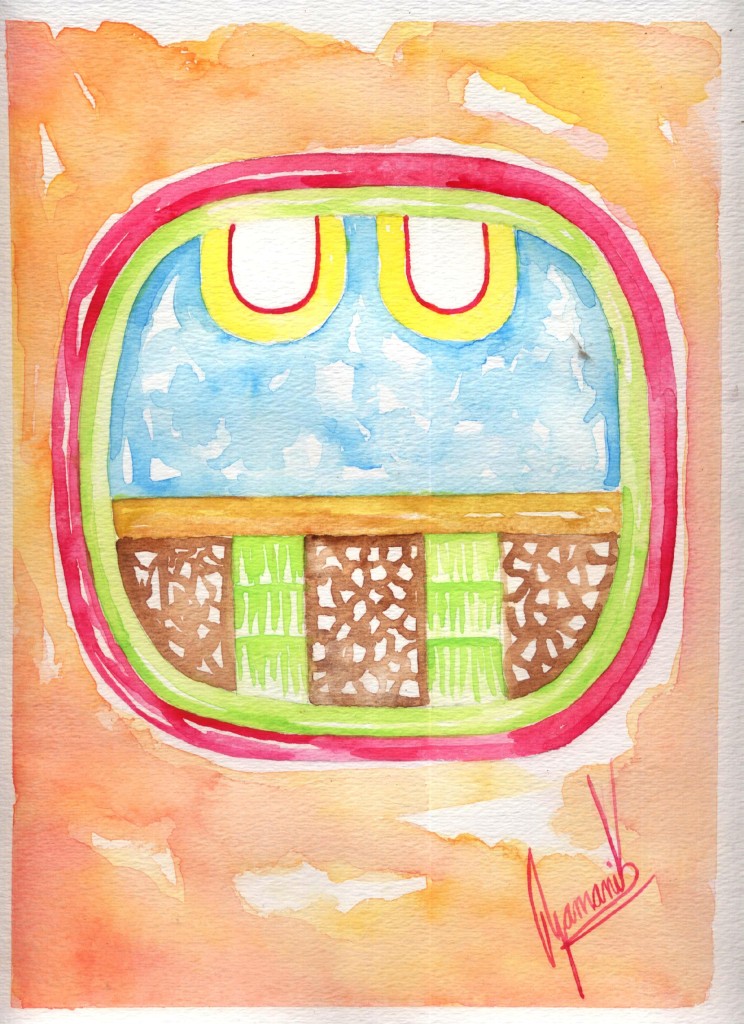
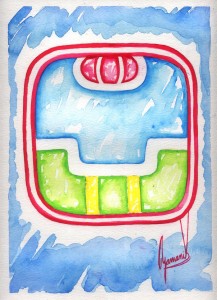
 Today begins a trecena under the energy of Ajaw Aj, which indicates the inner strength, authority and power. It is learning the value of caring, protecting, and guiding in order to bring strength. Aj tells us that the path begins with the first step, so it is necessary to take action, keeping in mind that everything unfolds when there is a good foundation, strong roots provided by Ajaw Aj. The power and recognition given by this Ch’umil should not distance us from being humble and aware, because one of the greatest obstacles on the path is pride. Aj inspires a respect based on experience, so we must pay attention and avoid being imposing, obsessive, overly serious, or someone who becomes a ruler.
Aj brings the energy of the foundations, it is the base of construction, the stalk of the corn. The Elders said that the base of our foundation is formed by the essence of maize. It is not a coincidence that we are called people of corn, because our body, which is our altar, is made of maize. There is another structure, which is the house, the space we inhabit, where we light our fire, our home. In the past, houses were made of corn stalks. This gives us shelter, belonging, a habitable space in connection with Mother Earth. From that relationship comes the power, the work of your life. We all have a space on her, to who we belong and of whom we are temporary guardians. Having that clarity in order to build a strong structure is the foundation of your development.
On a Jun Aj day, my father, Elder Carlos Barrios, took flight toward another plane of existence. To remember him, to honor his path, and to give thanks for his teachings and love, today I share a text based on his writings to open this thirteen-day cycle guided by Ajaw Aj.
~Denise
Hoy inicia una trecena bajo la energía de Ajaw Aj, que nos indica la fuerza interna, es la autoridad y el poder, es aprender el valor de cuidar, proteger y orientar para dar fortaleza. Aj nos dice que el camino comienza con el primer paso, así que hay que tomar acción, teniendo presente que todo se da al tener una buena base, unos buenos cimientos que nos proporciona Ajaw Aj. El poder y reconocimiento que da este Ch’umil no debe alejarnos de ser humildes y conscientes, pues uno de los mayores obstáculos del camino es el orgullo. Aj infunde un respeto basado en la experiencia, por lo que hay que poner atención y no ser impositivo, obsesivo, demasiado serio ni ser alguien que se vuelve gobernador.
Aj trae la energía de los cimientos, es la base de la construcción, es la caña del maíz. Los abuelos decían que la base de nuestro cimiento está formada por la esencia del maíz. No es nada más que se nos llame hombres de maíz, pues nuestro altar, nuestro cuerpo están hechos de maíz. Hay otra conformación que es la casa, el espacio que habitamos, donde prendemos nuestra hoguera, nuestro hogar. Antes se hacían las casas de caña de maíz; esta nos da refugio, pertenencia, un espacio habitable en conexión con la Madre Tierra. De esa relación surge el poder, el quehacer de tu vida. Todos tenemos un espacio sobre ella, a la que pertenecemos y de la que somos guardianes temporales. Tener esa claridad para una buena estructura es la base de tu desarrollo.
En un día Jun Aj, mi papá, el Abuelo Carlos Barrios, elevó su vuelo hacia otro plano de existencia. Para recordarlo, honrar su camino y agradecer sus enseñanzas y amor hoy comparto un texto basado en sus escritos para abrir este ciclo de trece días guiados por Ajaw Aj.
~Denise
 Taking a step into the unknown is not always comfortable, but staying in the familiar may limit what we are here to manifest.
 Let us intentionally seek to experience things that fill us with joy.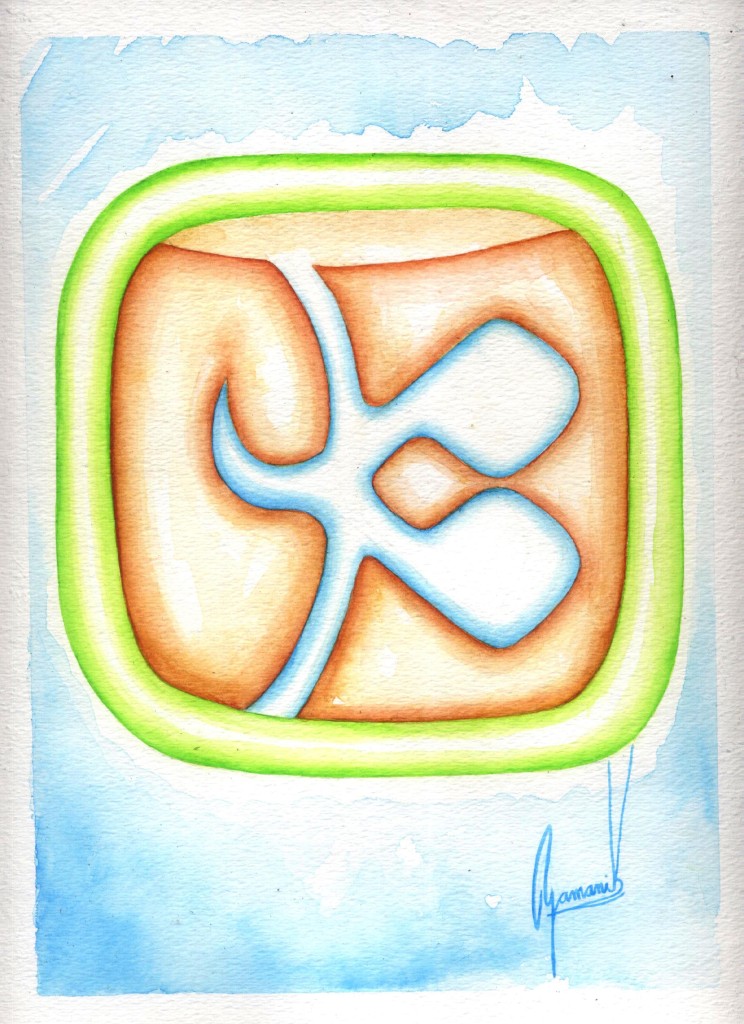
 We do not need to dim other lights for ours to shine.
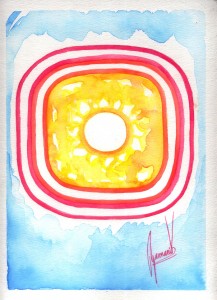 Let us remember that every moment of our life can be sacred.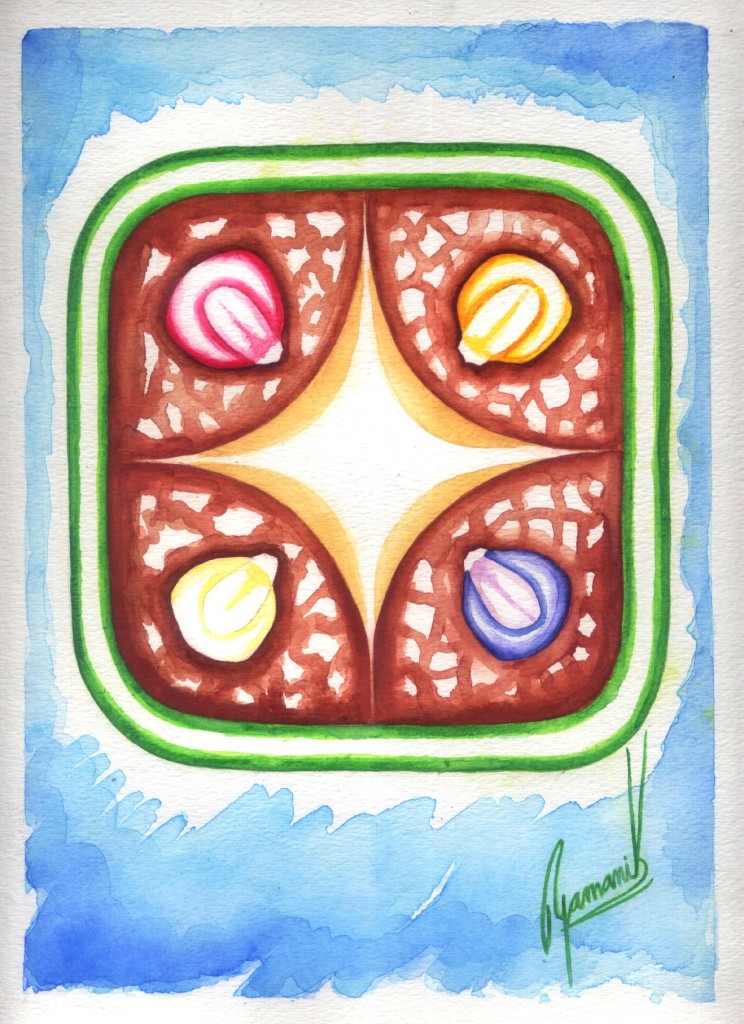
 Flourishing is not something that happens in a rush, so why not honor our own timing and rhythm?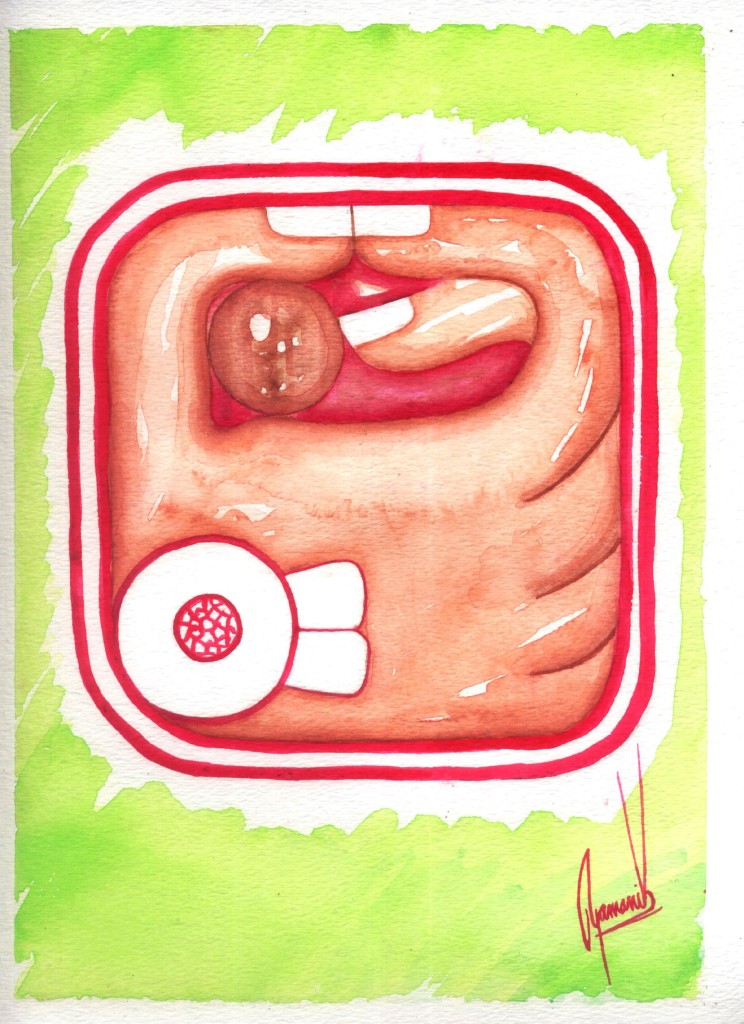
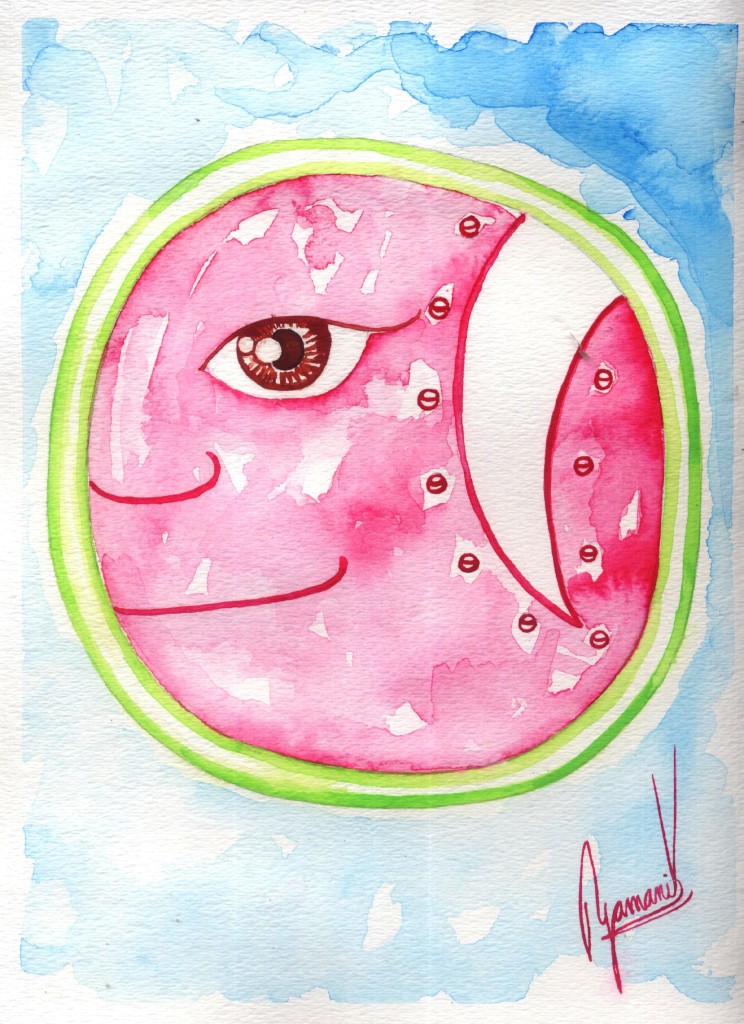
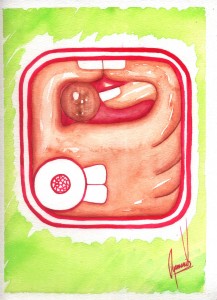 Kej, which speaks to us of the balance of our being, brings today the force of the masculine, so this day offers a beautiful opportunity to observe how we relate to this energy.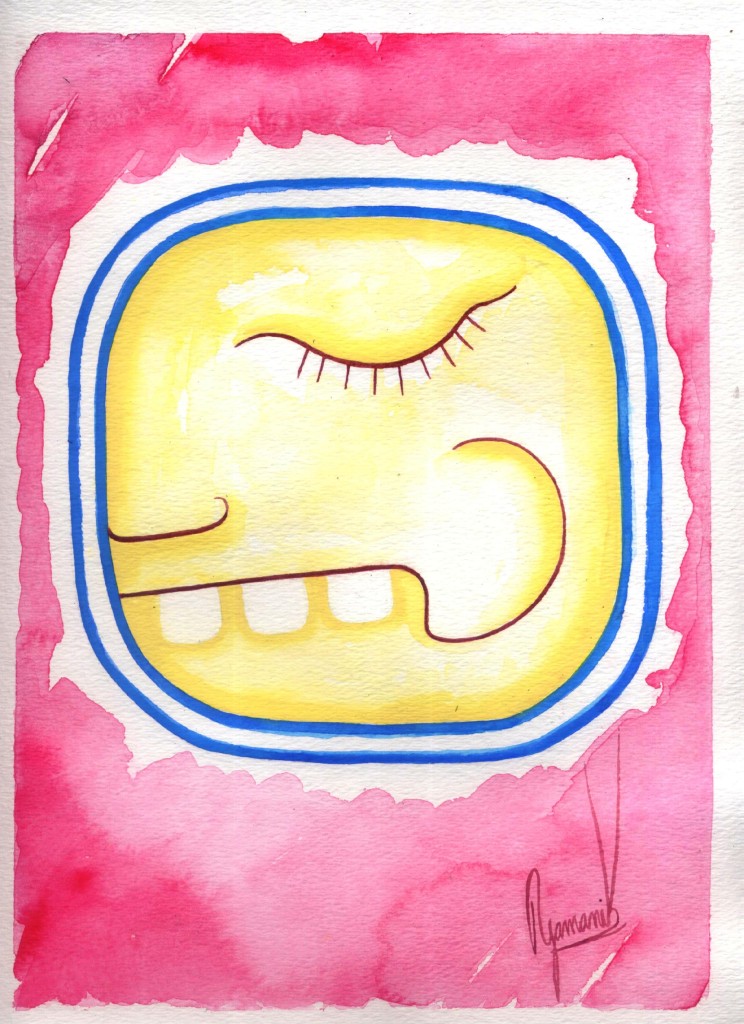
 We, like nature and the universe, move in a cyclical pattern.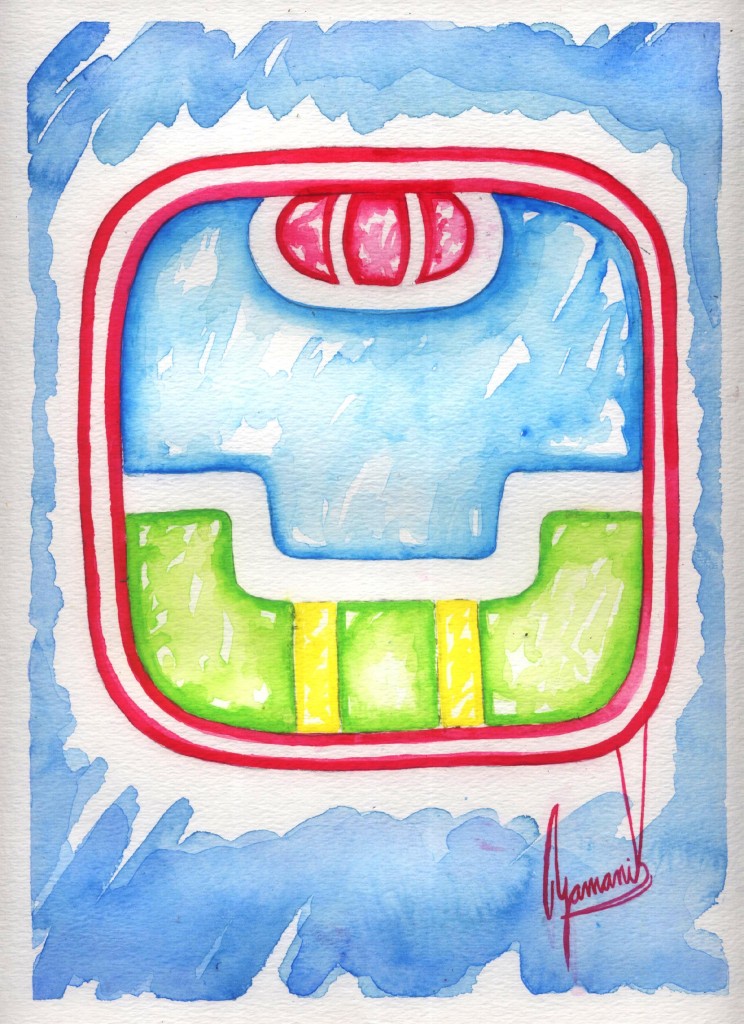
 Freedom begins by recognizing that what traps us is only strong while we hold on to it.