Being grateful for what is part of our life is a way of honoring the life we live.
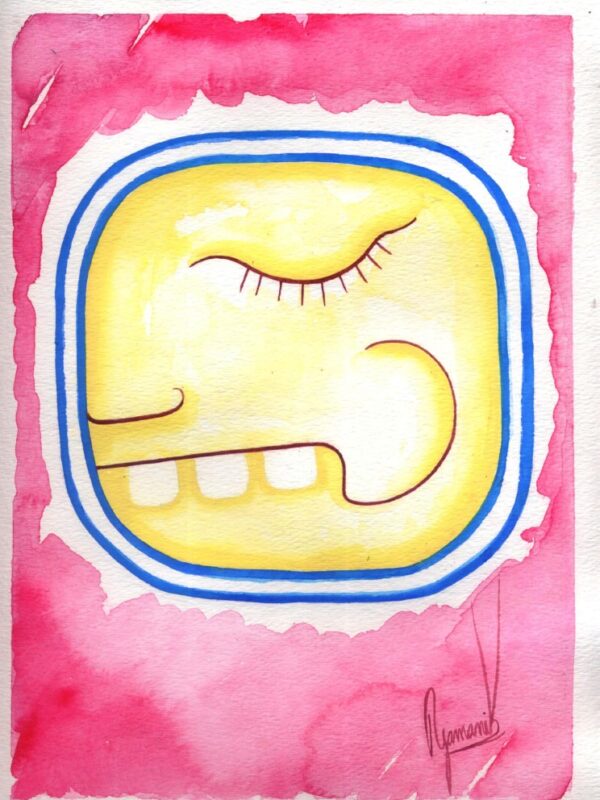
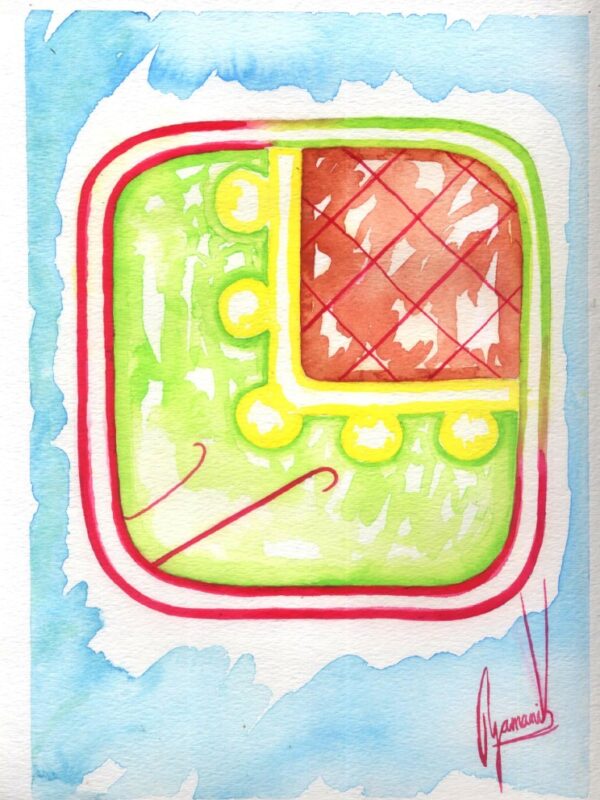
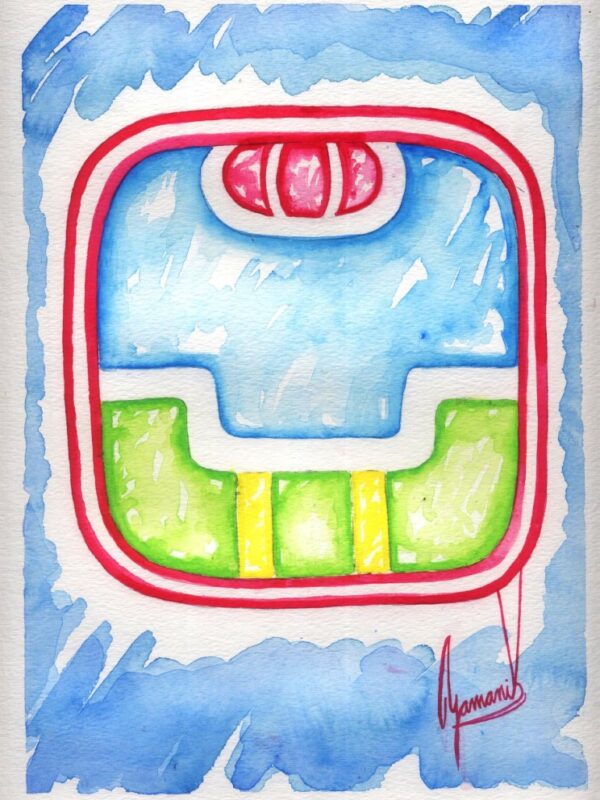
Yesterday, by coincidence or synchronicity, I came across a very old word, lar, which comes from the Latin Lār or Laris and means a deity or protective spirit of the home. Although today I intended to write about another aspect of Job’ Aj, this synchronicity made me feel that I needed to focus on the gratitude we owe the homes we inhabit in this existence, from Mother Earth and our body to the house that shelters us.
So today I felt like sharing a teaching that has always seemed very beautiful to me and that was once given to me by a Grandmother, a teaching that resonates with that passage from the Popol Wuj that speaks of the people of wood, those who showed no gratitude and whose belongings and homes turned against them. The Nan told me that when you enter a house you can feel at once whether it is cold or welcoming, and that this is where you can see whether people care for the spirit of their home. I found it so beautiful that we can open that connection with the spirit of our house, especially in this trecena of Toj, which is a good moment to remember the importance of giving thanks for every tool that accompanies us in life and for every home we inhabit in this existence.
Agradecer lo que forma parte de nuestra vida es honrar la vida que vivimos.
Ayer, por coincidencia o sincronía, descubrí una palabra muy antigua: lar, que viene del latín Lār o Laris y significa “deidad o espíritu protector del hogar”. Aunque hoy tenía la intención de escribir sobre otro aspecto de Job’ Aj, esta sincronía me hizo sentir que debía enfocar el texto en la gratitud que debemos tener por nuestros hogares en esta existencia, desde la Madre Tierra y nuestro cuerpo hasta la casa que nos da resguardo.
Así que hoy sentí compartir una enseñanza que siempre me ha parecido muy hermosa y que alguna vez me dio una Abuela, una enseñanza que coincide con ese pasaje del Popol Wuj que habla de la humanidad de madera, aquella que no mostraba gratitud y cuyos objetos y casas se volvieron contra ellos. La Nan me decía que cuando uno entra en una casa se siente de inmediato si es fría o acogedora, y que ahí es donde uno puede ver si las personas cuidan al espíritu de su hogar. Me pareció algo tan lindo que podamos abrir esa conexión con el espíritu de nuestra casa, especialmente en esta trecena de Toj, que es un buen momento para recordar la importancia de agradecer cada herramienta que nos acompaña en la vida y cada hogar que habitamos en esta existencia.
The universe and life form a magical weave, and each one of us is a thread that gives it color.
Our story and every experience that shapes it are an essential part of our personal evolution.
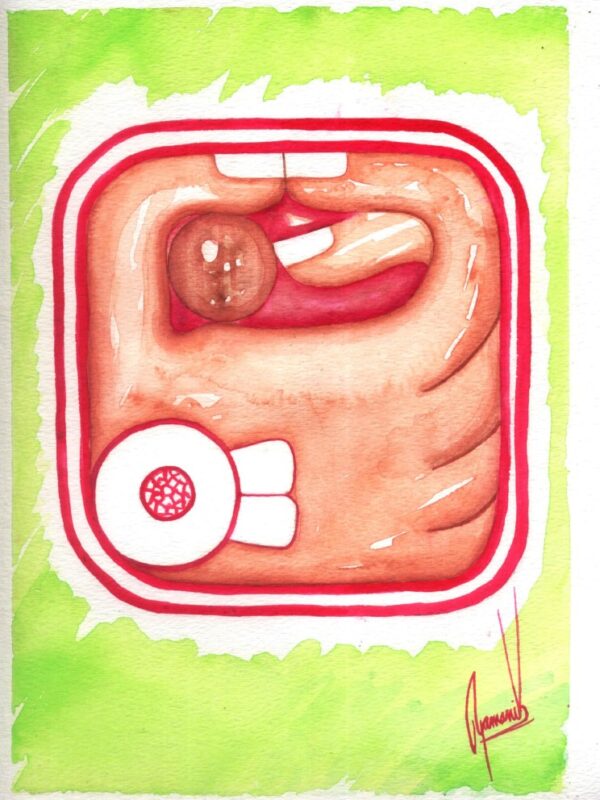
Toj symbolizes the Ceremonial Fire. It is the power of this sacred element that transforms, liberates, balances our existence, and reconciles us with our inner being. The light of Toj ignites our spiritual path. It is the flame that illuminates even the darkest trails, the ritual that connects us with the supreme, and the fire that safeguards the ancestral wisdom passed down by grandmothers and grandfathers. It is also the Ch’umil of reciprocity, it is what we receive as the result of our actions and the power that allows us to create through them.
We are not separate from the Earth, we are part of her; within her resides our memory and wisdom.
If we knew that the ancestors remain at our side, guiding our steps, what would we do differently? Let us remember that we do not walk through life without the support of our lineage.
This day opens a space for us to experience who we are now, while also recognizing and listening to our ancestral memory.
There are insights that only become clear in the dark; sometimes clarity is not found in plain light.
This day invites us to remember the power of our voice, the one that rises with strength when we speak from the soul, from what truly moves our being.